What Is a Mortise Lock and Why Do Brooklyn Doors Depend on Them
A mortise lock is a complete locking assembly — latch bolt, deadbolt, strike plate, and often a lever or knob trim — that lives inside a rectangular pocket mortised (carved) into the thickness of the door. Unlike a bored cylindrical lock that sits in a drilled hole, the mortise body spans nearly the full width of the door stile, distributing kick and pry force across a much larger footprint. That's why every serious door manufacturer specifies them for high-traffic or high-security applications, and why NYC building codes have long favored them for multi-family dwellings.
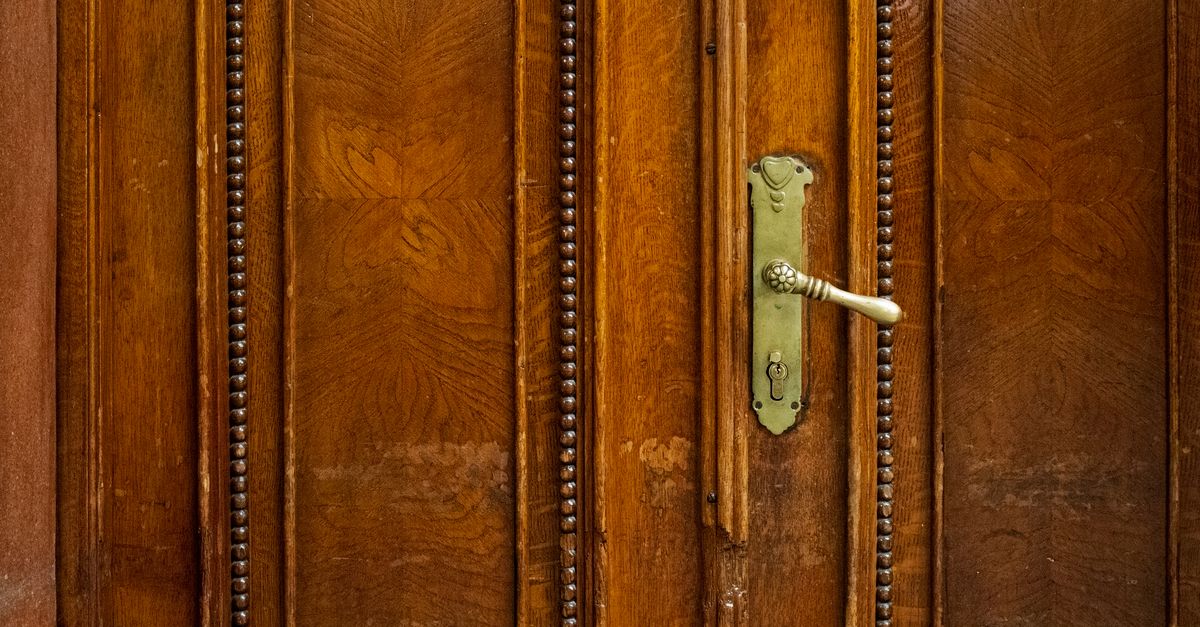
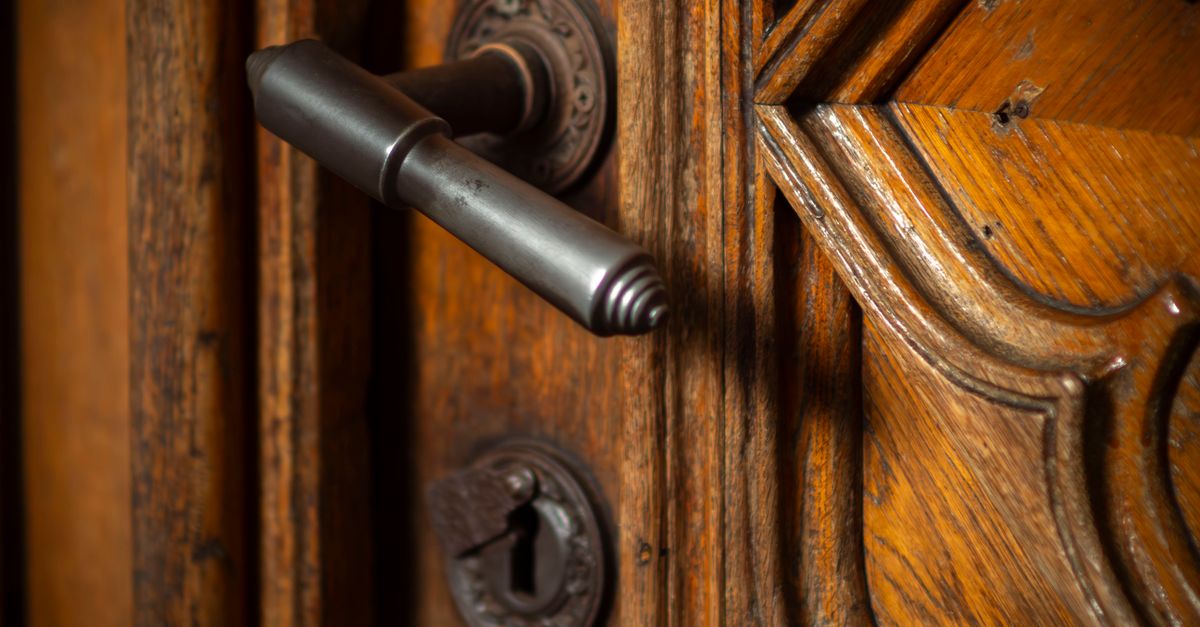
Brooklyn's housing mix tells the whole story. You'll find heavy iron-body Corbin Russwin mortise locks still functioning in prewar apartment buildings off Nostrand Avenue, and cast-brass Baldwin mortise lock sets gracing the carved mahogany doors of Park Slope Victorian brownstones. Both represent decades of reliable service — but both are also susceptible to worn case springs, seized cylinders, broken cam followers, and stripped tailpieces that require a locksmith with hands-on mortise experience to diagnose properly. The mortise lock cylinder alone — the plug-and-shell assembly that translates your key turn into bolt movement — can fail independently of the case, meaning a targeted cylinder replacement is often far less invasive than a full body swap.